
By Imee G. Gumiran
𝗜𝗻 𝗹𝗶𝗻𝗲 𝘄𝗶𝘁𝗵 𝘁𝗵𝗲 𝗻𝗮𝘁𝗶𝗼𝗻𝘄𝗶𝗱𝗲 𝗼𝗯𝘀𝗲𝗿𝘃𝗮𝗻𝗰𝗲 𝗼𝗳 𝗡𝗮𝘁𝗶𝗼𝗻𝗮𝗹 𝗪𝗼𝗺𝗲𝗻’𝘀 𝗠𝗼𝗻𝘁𝗵, 𝘁𝗵𝗲 “𝗬𝗮𝗸𝗮𝗽 𝘀𝗮 𝗞𝗮𝗯𝗮𝗯𝗮𝗶𝗵𝗮𝗻” 𝗽𝗿𝗼𝗴𝗿𝗮𝗺 𝗵𝗶𝗴𝗵𝗹𝗶𝗴𝗵𝘁𝘀 𝘁𝗵𝗲 𝗶𝗺𝗽𝗼𝗿𝘁𝗮𝗻𝗰𝗲 𝗼𝗳 𝗿𝗲𝗰𝗼𝗴𝗻𝗶𝘇𝗶𝗻𝗴 𝘄𝗼𝗺𝗲𝗻’𝘀 𝗰𝗼𝗻𝘁𝗿𝗶𝗯𝘂𝘁𝗶𝗼𝗻𝘀, 𝗽𝗿𝗼𝗺𝗼𝘁𝗶𝗻𝗴 𝗴𝗲𝗻𝗱𝗲𝗿 𝗲𝗾𝘂𝗮𝗹𝗶𝘁𝘆, 𝗮𝗻𝗱 𝗲𝗺𝗽𝗼𝘄𝗲𝗿𝗶𝗻𝗴 𝘄𝗼𝗺𝗲𝗻, 𝗲𝘀𝗽𝗲𝗰𝗶𝗮𝗹𝗹𝘆 𝘁𝗵𝗼𝘀𝗲 𝗶𝗻 𝗜𝗻𝗱𝗶𝗴𝗲𝗻𝗼𝘂𝘀 𝗰𝗼𝗺𝗺𝘂𝗻𝗶𝘁𝗶𝗲𝘀 𝘁𝗼 𝗸𝗻𝗼𝘄, 𝗰𝗹𝗮𝗶𝗺, 𝗮𝗻𝗱 𝗽𝗿𝗼𝘁𝗲𝗰𝘁 𝘁𝗵𝗲𝗶𝗿 𝗿𝗶𝗴𝗵.
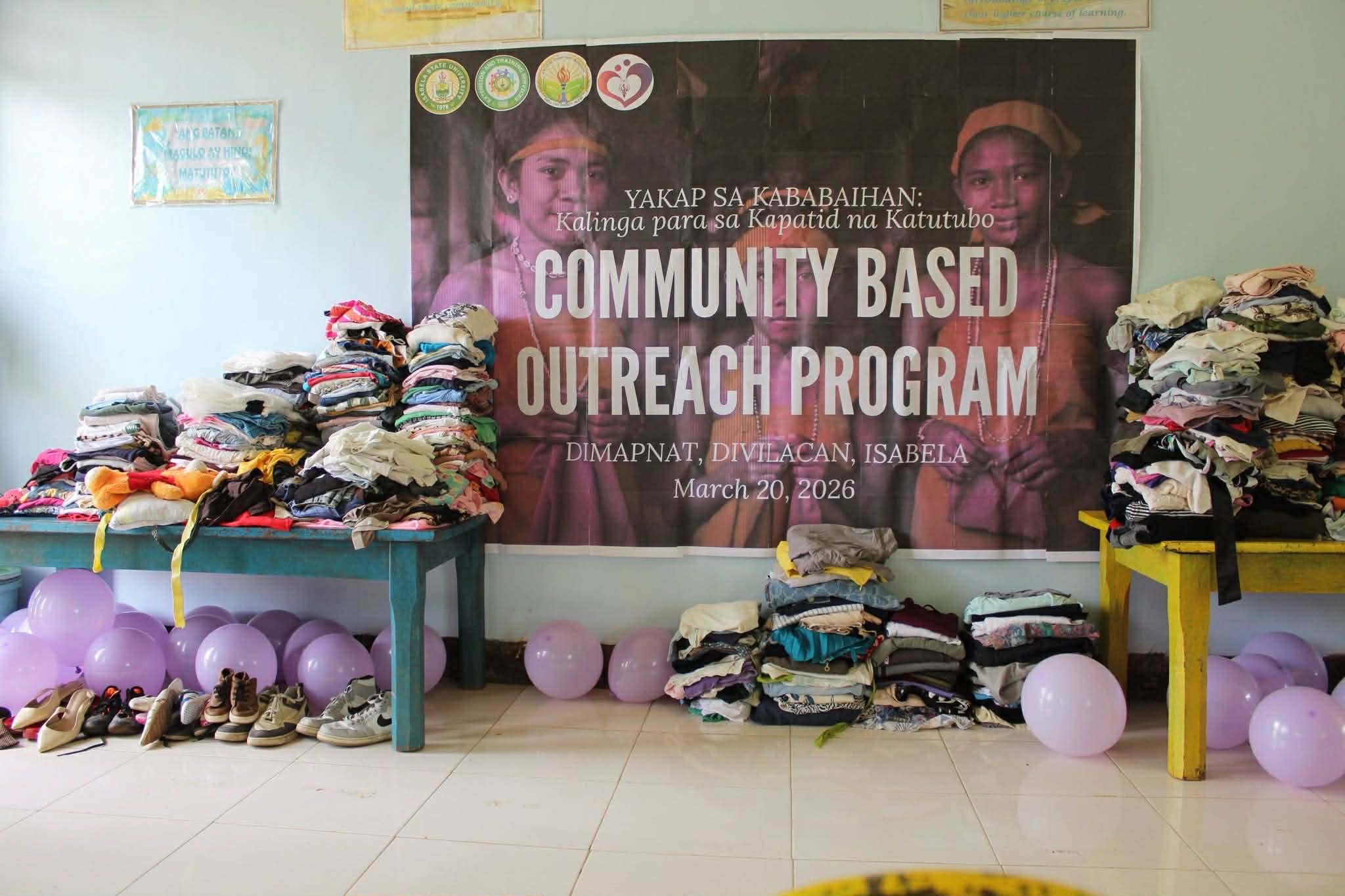
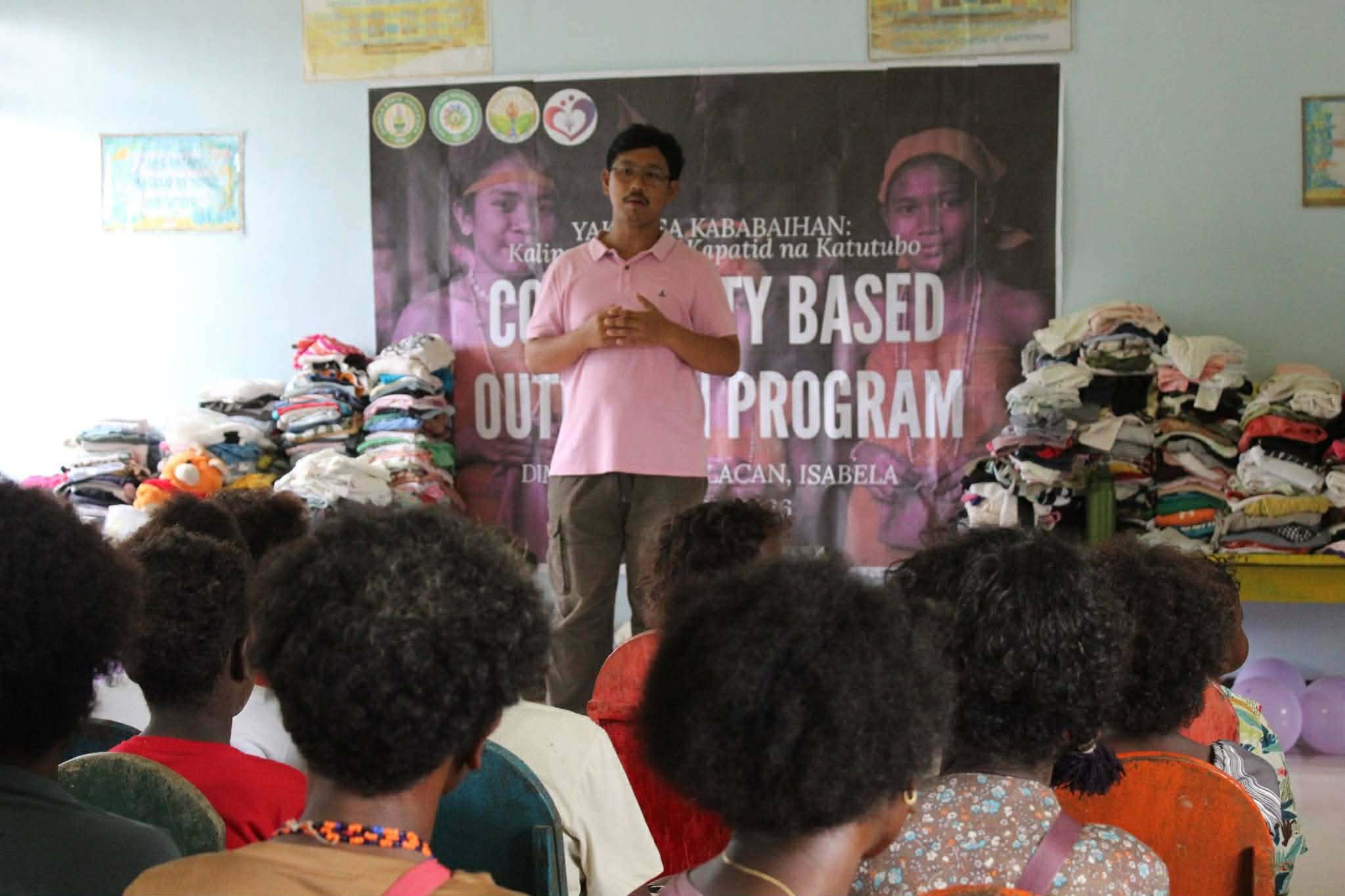
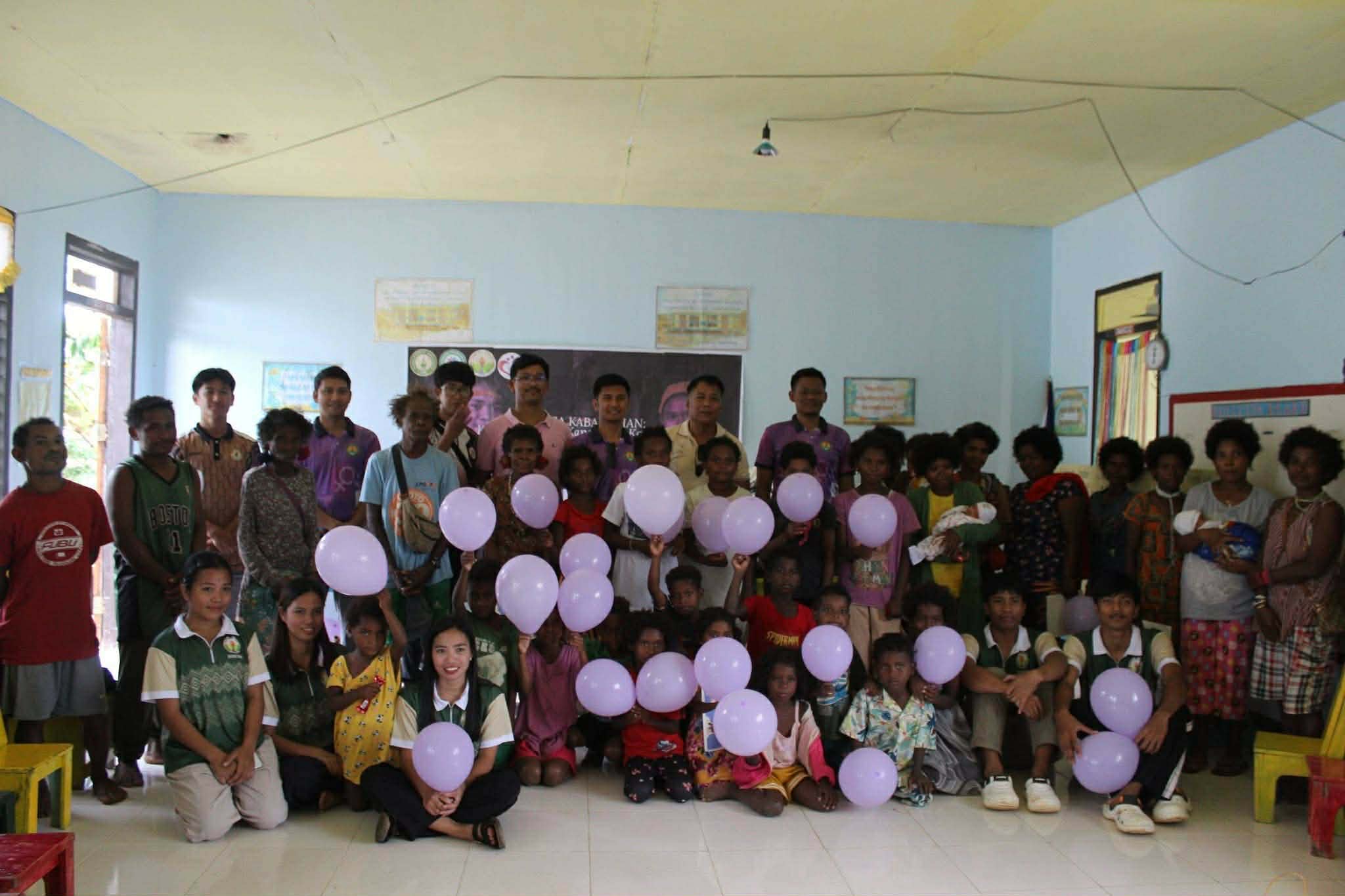
The Isabela State University (ISU) Palanan community showed its dedication and empathy by organizing the “Yakap sa Kababaihan” outreach program at the Indigenous Peoples (IP) Core Shelter in Brgy. Dimapnat, Divilacan, Isabela, on March 20, 2026.
More than just an activity, the initiative became a meaningful engagement, bringing together Agta women, children, and families in a space filled with warmth, respect, and genuine connection. The program aimed to uplift and empower the community by recognizing women’s strength and important role, while also promoting awareness of their rights and those of Indigenous Peoples.
Through the combined efforts of the Extension and Training Unit, the Gender and Development (GAD) Office, and the Agriculture Student Body Organization of ISU Palanan, the outreach came to life with both heart and purpose. Each group played a vital role in ensuring that the activities were not only helpful but also meaningful and empowering.
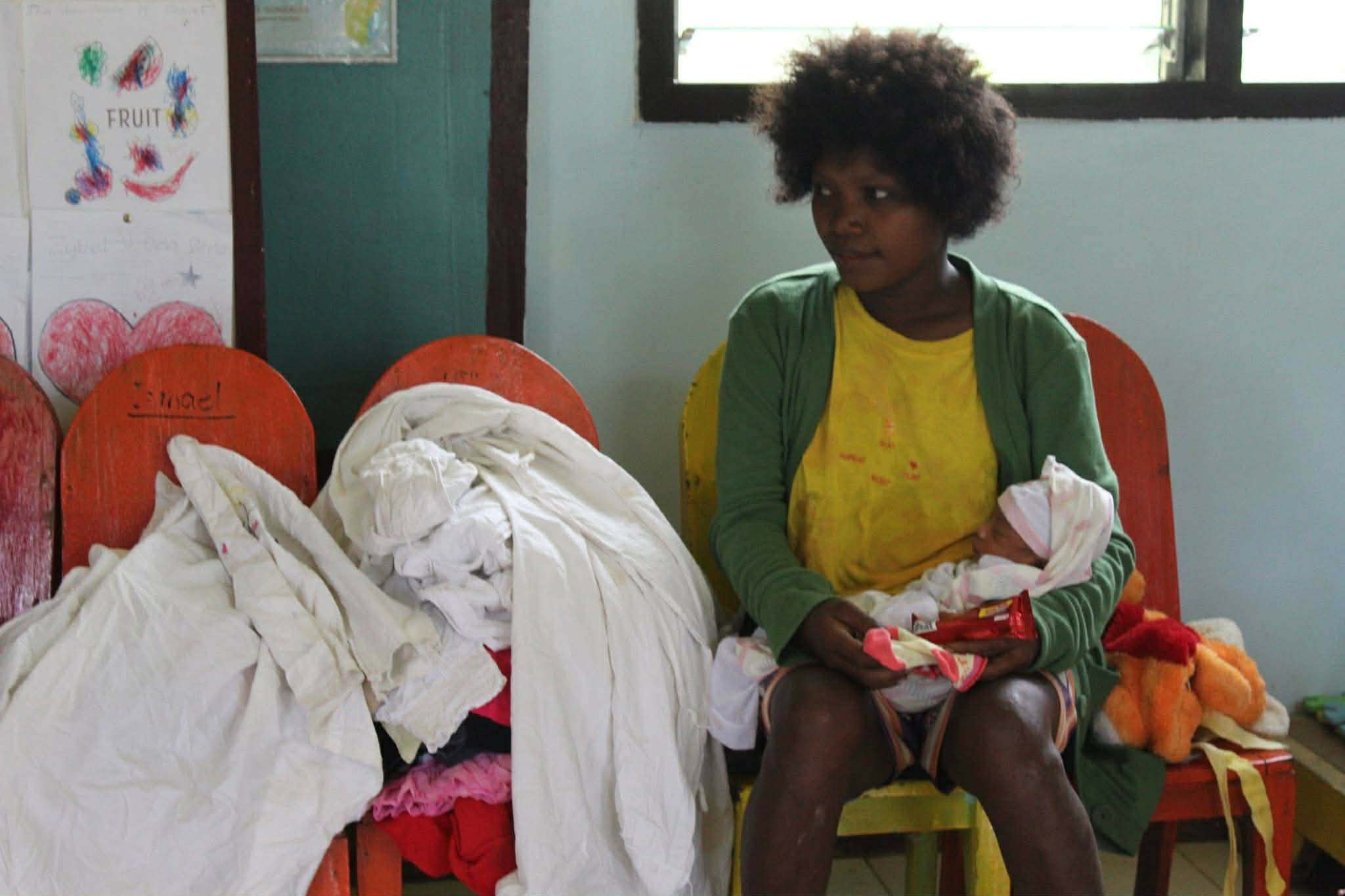
One of the most touching moments of the day was the distribution of preloved clothes, made possible through the generosity and coordination of the student organization. This simple act of giving brought smiles and comfort to many families. A feeding program followed, creating a joyful atmosphere as children and parents shared a warm meal together.
Beyond these acts of service, the program also created space for learning and reflection. The GAD Office led an open and engaging discussion on the rights of women and Indigenous Peoples—encouraging participants to better understand their value, their voice, and their place in society.
The visit to Brgy. Dimapnat was not only about extending help but also about building relationships. It strengthened the university’s connection with the Agta community and reaffirmed its commitment to inclusive and community-centered development. Behind the scenes, the Extension and Training Unit ensured that everything ran smoothly, allowing the program to leave a lasting impact.
“Yakap sa Kababaihan” was more than a one-day outreach, it was a shared experience of empathy, empowerment, and hope. It reflects ISU Palanan’s continuing mission to stand with communities, especially women and Indigenous groups, through service, education, and genuine care.